VIP Tiling
Whether you’re renovating or embarking on a brand new home build, the tiles you choose can significantly influence the final look of your project. We feel privileged to be entrusted with this important task and take great pride in delivering impeccable results. Contact us for a free quote.
about us
3 Key Considerations When Selecting Tiles
Tiles are a popular choice in construction, thanks to their durability, versatility, and aesthetic appeal. However, choosing the right tile goes beyond just appearance—especially for builders, where functionality and space optimization are crucial. Here are three important factors for builders to consider when selecting tiles:
1. Style – Aligning Aesthetic with Functionality
While homeowners may focus on how tiles look, builders must balance aesthetics with practicality and durability. It’s essential to select tiles that fit the architectural style of the project while also offering the right level of wear resistance and slip ratings, especially in high-traffic areas or wet zones. Builders should keep in mind the client’s preferences but also guide them toward materials like porcelain or natural stone that provide both longevity and style. Samples help assess whether tiles fit with other materials like wood and fixtures used on-site.
2. Light – Considering Lighting to Enhance Space
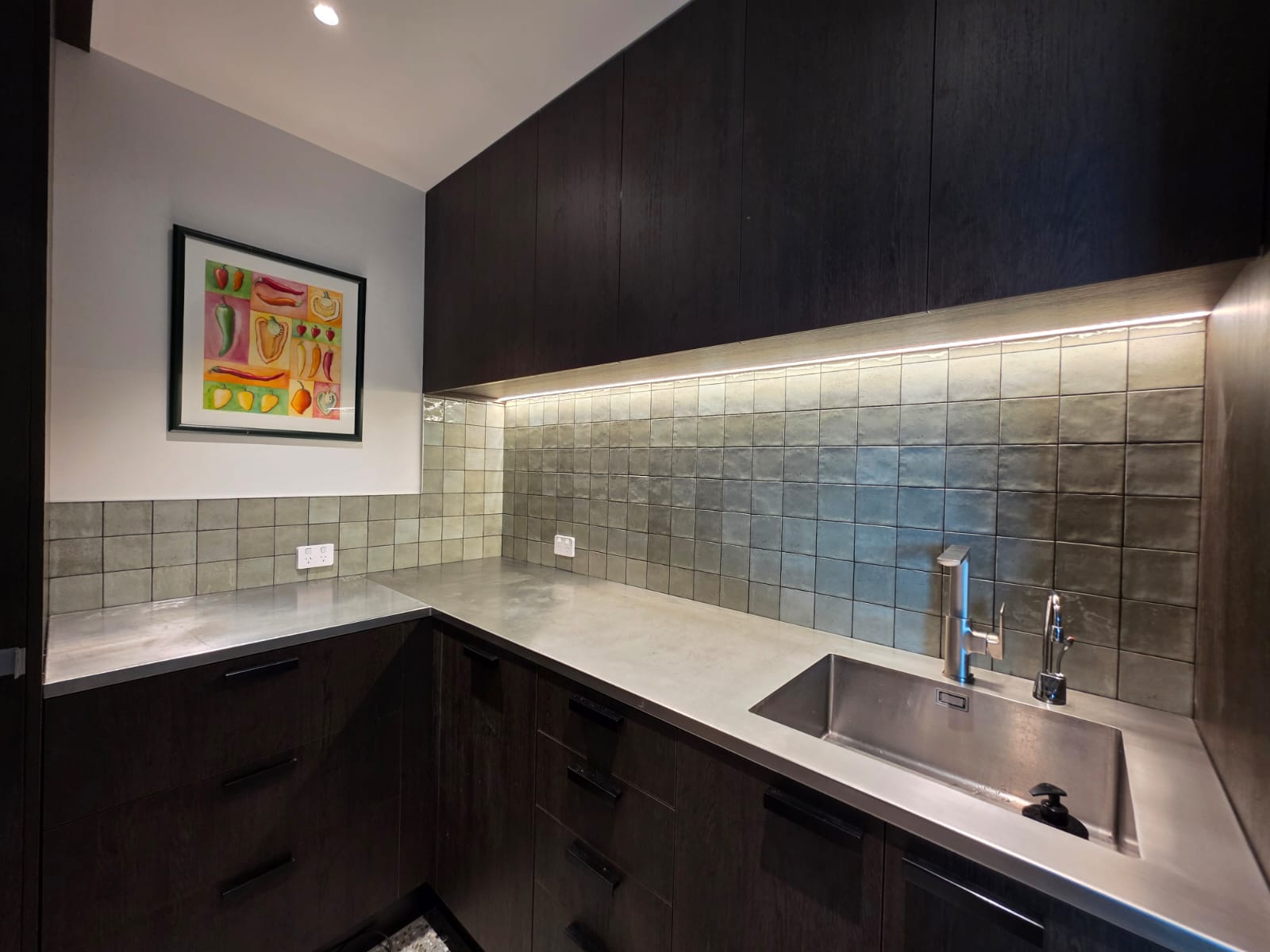
As a builder, you’re aware that lighting can influence how a space feels, and tiles play a key role in enhancing or softening that effect. Builders should take into account how natural and artificial light interacts with different tile finishes. For instance, glossy tiles can reflect more light, making a space feel larger and brighter—ideal for dimly lit rooms or smaller areas. Conversely, matte or textured tiles can create a more subdued, cozy atmosphere. Testing tile samples on-site during different times of day ensures the chosen tile will meet the visual and practical demands of the project.
3. Shape and Size – Optimizing Room Layout and Flow
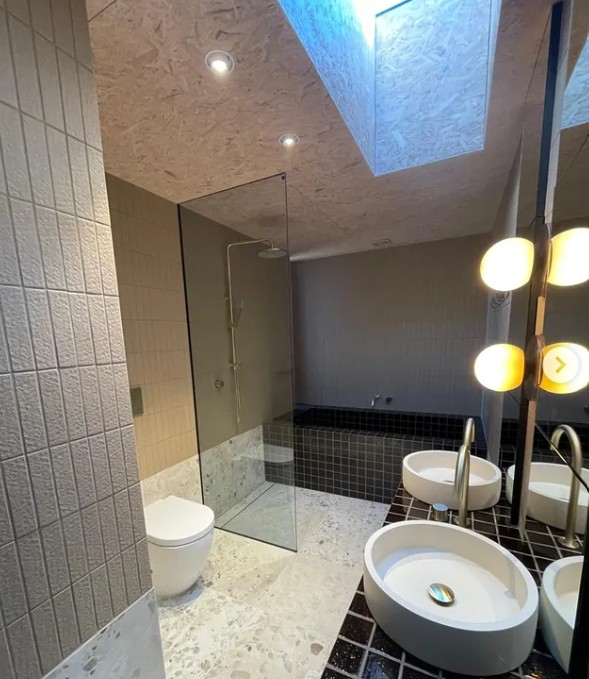
Tile size and shape can significantly impact the perceived space in a room. Large-format tiles with fewer grout lines are ideal for open spaces, giving the room a cleaner, more cohesive appearance. Builders should also consider how the direction and layout of tiles can affect the room’s proportions—laying rectangular tiles horizontally can make a room look wider, while vertical installation can elongate walls, perfect for spaces with low ceilings. When working in compact areas like bathrooms, using the same tile on both the walls and floors can create a sense of continuity and openness.